Reliable Chronic Back Pain Care: Bring Back Your Relief and Active Range
Chronic back pain affects millions, often hindering daily activities. Comprehending its causes and investigating effective treatment options is essential for recovery. A comprehensive approach, integrating therapies, lifestyle changes, and alternative treatments, can greatly improve comfort and mobility. However, one must evaluate when to seek professional guidance to tailor a personalized plan. What strategies can truly make a difference in managing this persistent condition?
What Elements Cause Ongoing Spinal Pain?
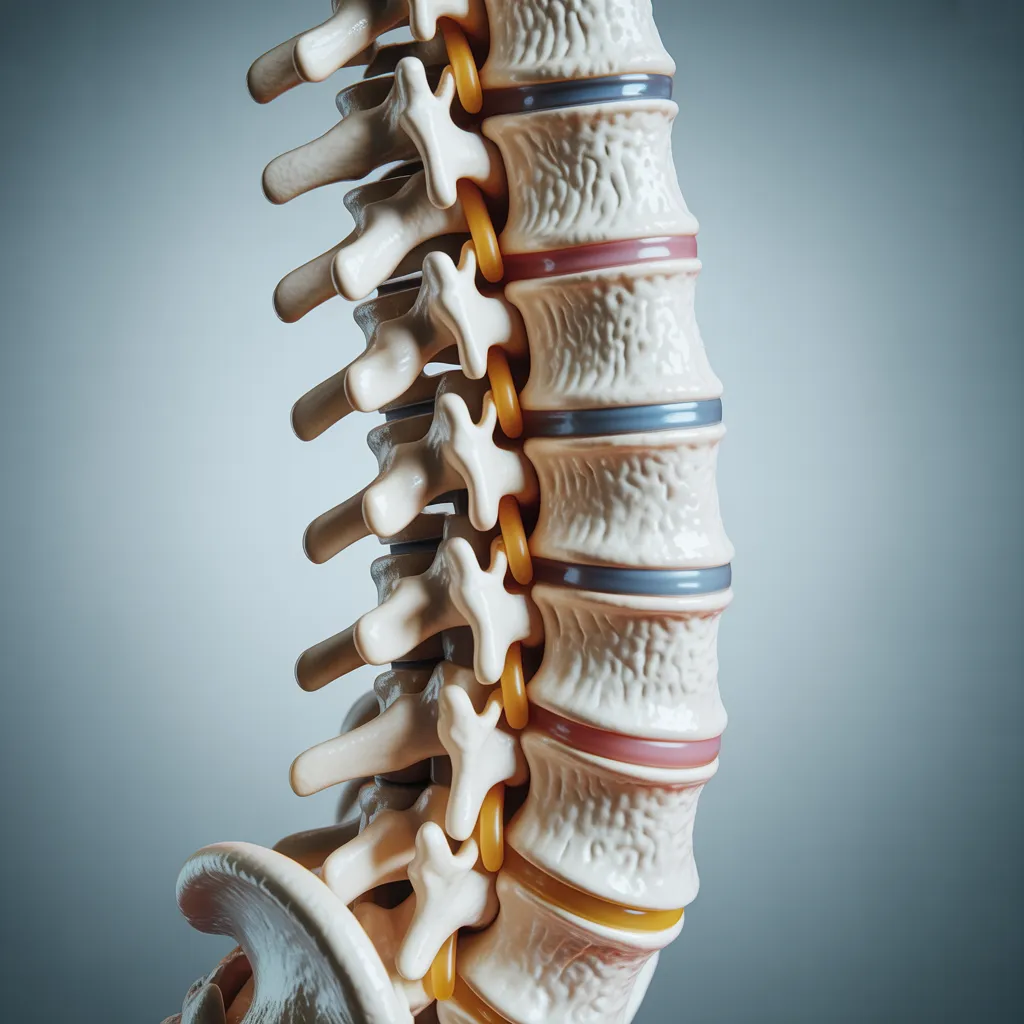
Chronic back pain affects millions of individuals worldwide, stemming from various factors that can hinder diagnosis and treatment. Commonly, conditions such as herniated discs, arthritis, and spinal stenosis contribute considerably to persistent discomfort. Muscle or ligament strains often arise from heavy lifting or awkward movements, leading to ongoing pain. Additionally, degenerative diseases can affect the spine, creating structural changes that worsen symptoms.
Lifestyle factors, including obesity and lack of physical activity, further boost the risk of chronic back pain. Psychological factors, such as stress and anxiety, can also play a key role, often enhancing the perception of pain. Furthermore, previous injuries, whether sudden or chronic, may leave lasting effects that contribute to ongoing discomfort. Understanding these various causes is essential for effective management and treatment strategies, as they highlight the multifaceted nature of chronic back pain.
Beneficial Therapies for Extended Back Pain
Effective remedies for long-term spinal discomfort include a variety of strategies, with physical therapy and psychological wellness practices excelling. Therapeutic exercise enhances flexibility and muscular power, while holistic wellness methods encourage relaxation and pain management. Together, these approaches provide a comprehensive approach for alleviating discomfort and improving quality of life.
The Positive Outcomes of Physical Therapy
Physical therapy delivers plentiful benefits for individuals battling chronic back pain. It stresses developing mobility, muscle power, and flexibility through custom exercises and techniques. By addressing muscle imbalances and strengthening core stability, physical therapy facilitates alleviating pain and prevent extra harm. Furthermore, therapists employ therapeutic techniques, therapeutic options such as heated therapy or ultrasound, and patient instruction to empower clients in handling their condition. This integrated strategy not only addresses physical symptoms but also supports overall well-being. Consistent sessions can produce improved posture and functional movement, facilitating individuals to take part in daily tasks with more comfort. Overall, physical therapy acts as an important component in the thorough management of chronic back pain, fostering long-term restoration and enhanced life quality.
Mind-Body Interventions
Blending psychosomatic interventions into the treatment of back pain can greatly enhance overall healing and well-being. These approaches center on the interplay between cognitive and physical conditions, inducing calm and reducing stress. Techniques including mindfulness meditation, yoga, and guided imagery have shown promise in alleviating pain and improving mobility. Research indicates that these interventions can modify pain sensation and enhance emotional resilience, enabling individuals to manage their symptoms more competently. By nurturing optimistic perspectives and encouraging self-awareness, mind-body techniques can complement traditional therapies, leading to improved outcomes. Ultimately, embedding these modalities into an all-encompassing pain management plan offers a holistic approach that handles both the physical and read more emotional aspects of chronic back pain.
Bodily Exercise Advantages for Chronic Spinal Pain Rehabilitation
Physical activity plays an essential role in the convalescence from chronic back pain by targeting core muscle strength and refining overall adaptability and physical movement. Strengthening core muscles provides vital assistance to the spine, while improved flexibility allows for extended movement without strain. Together, these favorable outcomes substantially support pain reduction and improved functional capacity.
Improving Core Muscle Groups
Developing core muscle strength is important in easing chronic back pain. A well-developed core provides stability and support to the spine, minimizing strain on the back muscles. Engaging in specific exercises assists in improving muscle balance and coordination, which are key for maintaining correct posture. This leads to lowered discomfort during daily tasks and improved functional mobility. Core strength training might include exercises such as planks, bridges, and abdominal workouts focusing on muscles around the lumbar region. Consistent practice not only supports pain relief but also encourages resilience against future injuries. As a result, a comprehensive exercise routine that emphasizes core strength can substantially contribute to recovery for those experiencing chronic back pain.
Boosting Flexibility and Agility
While chronic back pain often restricts movement, enhancing range of motion and movement capacity through specific workouts can greatly aid healing. Stretching routines, such as yoga or Pilates, allow individuals to improve their flexibility range, reducing rigidity in the back and adjacent muscle groups. Incorporating gentle movements, like walking or swimming, promotes circulation and promotes healing. These activities not only alleviate discomfort but also foster better posture, which is essential for long-term relief. As mobility enhances, people may find it simpler to engage in daily tasks, thereby boosting general activity levels. Consistent practice of flexibility-enhancing exercises can result in a more resilient body, ultimately contributing to a more active and fulfilling way of living.
Mindfulness as a Strategy for Long-standing Back Discomfort Management
What role can mindfulness play in transforming the experience of chronic back pain? Mindfulness methods, like meditation and breath focus, can substantially alter how an individual perceives pain. By cultivating a nonreactive awareness of bodily sensations, mindfulness supports patients in detaching from the emotional distress often tied to chronic pain. This shift in cognition results in reduced anxiety and improved overall pain tolerance.
Research demonstrates that practicing mindfulness can result in lower pain intensity and improved coping strategies. As individuals begin to observe their pain without immediate reaction, they often experience diminished suffering. Additionally, mindfulness creates a sense of control, empowering individuals to manage their pain rather than feeling overwhelmed by it.
Incorporating meditation into everyday habits can enhance quality of life for those experiencing chronic back pain. Ultimately, this method not only tackles pain management but also promotes psychological strength and mental well-being.
Lifestyle Transitions to Aid Ongoing Spinal Ache Reduction
Pursuing deliberate life changes can greatly enhance relief from long-term spinal discomfort. Regular physical activity, adapted to personal abilities, strengthens the muscles that support the spine. Integrating low-impact workouts, including swimming or walking, can boost flexibility and reduce stiffness. Maintaining a healthy body weight is critically important, as excess weight can strain the back.
Furthermore, ergonomic modifications at home and work, like using supportive chairs and appropriate desk elevations, can minimize discomfort. Maintaining proper posture while standing and sitting further supports spinal health.
Nutrition plays a role as well; a balanced diet rich in anti-inflammatory foods can support overall well-being. Finally, emphasizing sleep quality and establishing a consistent sleep routine can assist with recovery. By embracing these lifestyle changes, individuals can create a supportive environment for managing chronic back pain, ultimately improving their ease of movement and comfort.
Alternative Options That Could Help Chronic Back Pain
Reviewing alternative treatments can present individuals suffering from chronic back pain further choices toward comfort. Numerous consider acupuncture, which entails placing fine needles at specific points on the body, possibly easing soreness and promoting healing. Chiropractic care represents another favored alternative, emphasizing skeletal alignment and therapy to improve mobility and decrease discomfort.
Mind-body disciplines such as yoga and tai chi can also be beneficial, as they promote gentle movements and worry reduction, which may promote overall vitality. Natural treatments, including turmeric and ginger, have proved anti-inflammatory properties that could help ease pain.
Furthermore, massage therapy may provide immediate relief by loosening tense muscles and improving blood flow. Although these complementary therapies can supplement conventional approaches, their effectiveness differs among people. It is crucial for those considering these options to conduct thorough research and speak to medical experts to find the most suitable methods for their particular requirements.
At what point do you need to reach out to a Professional concerning Chronic Suffering?
Determining when to find professional support for long-term discomfort can be tough for numerous individuals. A standard guideline is to talk to a healthcare provider if soreness persists longer than a few weeks even with home treatment. Moreover, individuals should get assistance if the soreness gets worse, interferes with your daily activities, or is accompanied by other concerning signs, such as numbness, weakness, or unexplained weight loss.
Professional intervention is essential when over-the-counter medications do not provide relief or if individuals face significant emotional distress stemming from their suffering. Early intervention can avert ongoing difficulties and elevate life satisfaction. Medical specialists can furnish individualized care plans, featuring therapeutic exercise, medication, or specialist recommendations. In conclusion, detecting the markers that denote the demand for clinical support can bring about improved treatment of chronic pain and a resumption of a increasingly dynamic and rewarding existence.
Often Asked Questions
Could Persistent Spinal Issues Be Hereditary?
Chronic back pain can have hereditary factors, as inherited traits may affect an individual's susceptibility to conditions like arthritis or disc degeneration. Family history may be instrumental in the development of chronic pain.
How much time Does It Usually Take to See Results?
Chronic back pain improvements typically materialize within a few weeks to several months, shaped by the intervention strategy, individual physiological elements, and treatment compliance, plus lifestyle changes that are put into practice.
Do Certain Diets Aid With Spinal Pain?
Certain eating plans including those abundant with anti-inflammatory foods like fruits, vegetables, whole grains, and omega-3 fatty acids, may help reduce back pain. Hydration and maintaining a healthy weight are also advantageous for overall spinal health.
What Function Does Sleep Take in Back Pain Recuperation?
Adequate sleep is essential for back pain healing process by fostering healing, reducing inflammation, and promoting overall vitality. Quality slumber enables the body to restore itself, which helps enhance mobility and ease discomfort during daily endeavors.
How Anxiety Can Intensify Long-term Back Pain Symptoms?
Yes, stress may exacerbate long-term back pain symptoms. Elevated muscle tension in muscle fibers, enhanced pain sensitivity to aching, and the emotional toll of stress can all lead to worsening discomfort, making adequate control of both stress and pain vital.
Comments on “Spine Treatment In Singapore: Comprehensive Spinal Treatment Services for Seniors”